
Glycerin is a natural byproduct of saponification — the chemical reaction between oils and lye that makes soap. In a well-made natural bar, it stays in the finished product, where it acts as a humectant, drawing moisture from the air toward the skin and helping it stay there. It's one of the main reasons natural soap feels different on skin than commercial alternatives.
How Glycerin Gets Into Natural Soap
Glycerin isn't added to natural soap — it's created by it. The saponification process that turns plant oils into soap produces glycerin naturally. Every bar of cold process soap contains it.
What happens to that glycerin depends on who's making the soap. Commercial manufacturers typically extract it from the finished bar and sell it separately — as an ingredient in lotions, cosmetics, and pharmaceutical products. It's a valuable commodity, and removing it from soap is straightforward and profitable.
The result for the consumer is a bar that cleans but doesn't condition. The mechanism that would help skin retain moisture after washing has been removed.
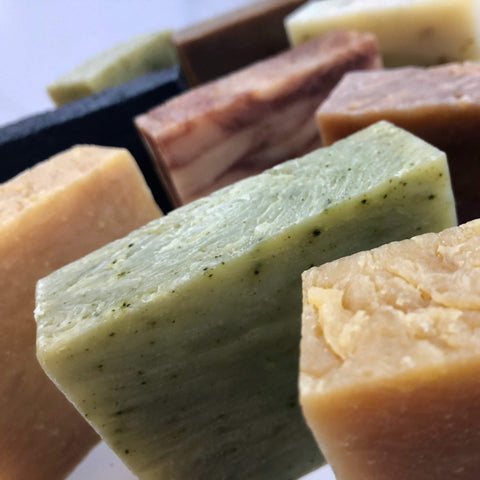
Small-batch natural soap made through cold process retains all of the glycerin produced during saponification. It stays in the bar and goes to work on your skin every time you use it. What Is Cold Process Soap?
What Glycerin Does for Skin
Glycerin is a humectant — it attracts water molecules and holds them close to the skin's surface. Used consistently, it helps maintain the skin's moisture barrier rather than depleting it with every wash.
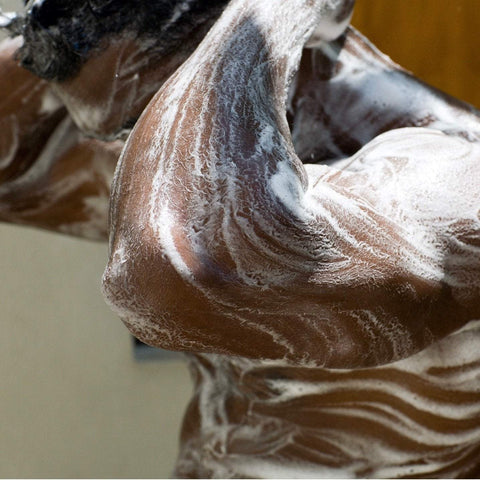
This shows up practically as skin that doesn't feel tight or dry after showering. The glycerin in a natural bar counteracts the drying effect that cleansing would otherwise have. You're clean, but you haven't stripped your skin of the moisture it needs.
For men with dry or sensitive skin, this is a meaningful difference. But it's relevant for all skin types — a healthy moisture barrier is more resistant to irritation, environmental damage, and the kind of low-grade dryness that most men just accept as normal.
Glycerin and the High Glycerin Content of Natural Soap
Natural soap has a notably higher glycerin content than commercial bars — not because anything extra has been added, but because nothing has been taken out. The full yield of the saponification process remains in the bar.
This is also why natural soap behaves differently in storage. Glycerin attracts moisture, which means a natural bar left in a humid environment or sitting in water will absorb that moisture and soften faster than a commercial bar. It's not a defect — it's a direct consequence of having more glycerin in the formula. The fix is simple: store bars somewhere dry and use a soap dish with drainage. Does Natural Soap Expire?
Why It Matters for Men's Skin Specifically
Men's skin tends to be thicker and oilier than women's, but that doesn't make it immune to dryness or barrier disruption. Daily shaving removes a layer of skin along with hair. Hot showers, outdoor exposure, and frequent hand-washing all take their toll. A bar that cleans without stripping — and leaves glycerin behind to support the moisture barrier — is a meaningful upgrade over one that just cleans.
It's not a dramatic claim. It's just what happens when a bar is made without removing what the process naturally produces.
The Bearsville Bars
Every Bearsville bar is cold process, small-batch, and retains the full glycerin content produced during saponification. No extraction, no additives to compensate for what's been removed. The formula works the way soap was meant to work.