Coconut oil is a primary ingredient in most natural bar soaps. In soap, it's responsible for producing a rich, abundant lather, contributing to the bar's hardness and longevity, and providing genuine cleansing power through lauric acid — its dominant fatty acid. Used well, it's one of the most effective ingredients in a natural soap formula. Used carelessly, it can leave skin feeling dry and stripped. The difference is in how it's formulated.
What Coconut Oil Actually Is
Coconut oil is extracted from the meat of the coconut and is composed almost entirely of saturated fatty acids. That saturated fat content is what gives it a solid consistency at room temperature — and what makes it so useful in soap. The dominant fatty acid is lauric acid, which makes up roughly half of coconut oil's composition and is responsible for most of what coconut oil does inside a bar.
The other fatty acids — capric, caprylic, myristic — each contribute in smaller ways, largely to cleansing strength and antimicrobial properties. But lauric acid is the one that drives the lather.
What It Does in a Bar of Soap
Coconut oil does three distinct things in a soap formula, and each one matters.
It drives lather. Lauric acid is what produces the big, bubbly, abundant lather that men associate with a bar that actually works. When coconut oil undergoes saponification — the chemical reaction that turns oils and lye into soap — the resulting soap molecules are highly effective at lifting and suspending dirt and oil so they rinse away cleanly. It's one of the few oils that lathers well even in hard water.
It hardens the bar. The saturated fat content of coconut oil produces a firm, dense bar that holds its shape in the shower and doesn't turn soft and watery after a few uses. A soap formula without coconut oil tends toward softness — fine for some applications, but not what most men want from a daily bar.
It cleanses effectively. Lauric acid has documented antimicrobial properties. It's a genuine cleanser, not just a lather producer — which is why coconut oil is a staple in soap formulas designed to actually clean skin rather than just slide across it.
The Tension Worth Understanding
Here's where coconut oil gets more interesting than most ingredient posts let on.
Lauric acid is a powerful cleansing agent — which means at high concentrations, it cleanses aggressively. A bar formulated with too much coconut oil can strip the skin's natural oils along with the dirt, leaving skin feeling tight and dry after washing. This is the same mechanism that makes commercial detergent bars harsh: aggressive surfactants that don't know when to stop.
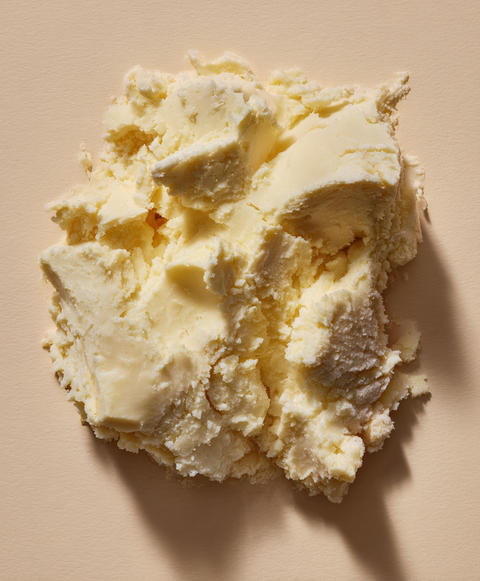
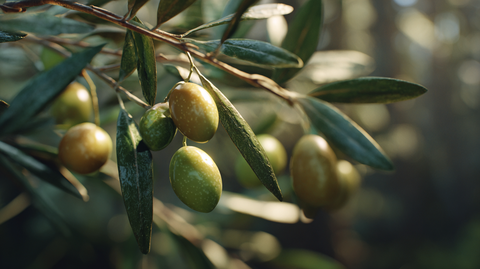
The solution isn't to use less coconut oil — it's to balance it correctly with other oils. In a well-made cold process bar, coconut oil works alongside conditioning oils like olive oil and shea butter that offset its cleansing intensity. The result is a bar that lathers fully and cleanses effectively without leaving skin feeling stripped. That balance is what separates a thoughtfully formulated bar from one that was assembled without much consideration for what each ingredient does.
How We Use It
Coconut oil is a core ingredient across our soap formulas — it's a significant part of what gives our bars their lather quality and the firm feel that holds up through a full bar's worth of showers. But it's always formulated in balance with the other oils in the base. Shea butter conditions. Olive oil cleanses gently. Castor oil stabilizes the lather. Coconut oil drives it.
That balance is intentional. A bar that cleanses well without drying skin out isn't an accident — it's the result of getting the ratios right.
If you want to see the ingredients we rely on most, here's a closer look at what goes into our bars. And if you're ready to try one, start with the collection.