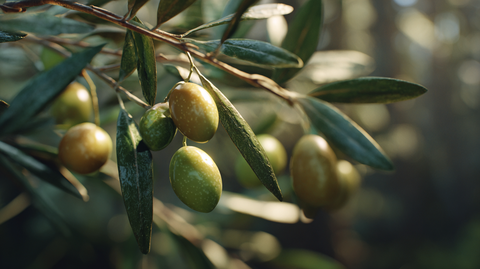

Olive oil is one of the oldest soap ingredients in the world. In a natural bar soap, it contributes gentle cleansing, lasting hydration, and skin compatibility that's hard to replicate with synthetic alternatives. Its dominant fatty acid, oleic acid, closely mirrors the skin's own natural oils — which is why a bar made with olive oil cleans without leaving skin feeling tight or stripped.
It won't produce the biggest lather on the shelf. What it does is harder to achieve: it makes a bar that works well every day without accumulating irritation over time.
A Brief History Worth Knowing
The soap most associated with olive oil has a name: Castile. Named after the Castile region of Spain, where olive oil-based soap was produced for centuries, Castile soap is one of the oldest formulas in existence — made from little more than olive oil, water, and lye. Versions of it were used across ancient Syria and the Mediterranean long before modern soap chemistry existed.
The reason it persisted for so long isn't sentiment. It's that olive oil produces a genuinely mild, skin-compatible bar. Soapmakers have been reaching for it for the same reasons they still do today.
What Oleic Acid Does for Skin
Olive oil is composed predominantly of oleic acid — a monounsaturated fatty acid that makes up the bulk of its composition. Oleic acid is significant in soap because it closely mimics the skin's natural sebum, the oil your skin produces on its own to maintain moisture and barrier function.
When a soap contains oleic acid, it cleans without aggressively stripping that natural oil layer. The result is skin that feels clean after washing rather than tight and dry — the way skin feels after a bar heavy in synthetic detergents or overloaded with coconut oil without enough conditioning oils to balance it.
Beyond that, oleic acid is deeply penetrating. It doesn't sit on the skin's surface — it absorbs, which is why olive oil has long been valued not just for cleaning but for genuine conditioning. Olive oil also contains squalene and vitamin E, compounds that support the skin's barrier function and provide antioxidant protection over time.
What It Does Inside a Bar of Soap
In a cold process bar, olive oil's fatty acids survive saponification largely intact. What that means in practice is that the conditioning properties of the oil carry through into the finished bar — the soap cleanses, but it leaves a fine residue of oleic acid on the skin that keeps moisture in.
One honest note: olive oil on its own produces a relatively soft bar with a mild, creamy lather rather than an abundant bubbly one. It's not the ingredient you reach for when you want volume and foam. That's coconut oil's job. Olive oil's job is gentleness and long-term skin compatibility — which is why well-formulated natural soaps use both, each doing what the other can't.
Why It Matters for Daily Use
Most men use the same bar every day. That daily repetition is where olive oil's gentleness becomes genuinely relevant — a bar that cleanses aggressively might feel effective in the short term but creates cumulative dryness and irritation over weeks of daily use. A bar formulated with a meaningful amount of olive oil stays skin-compatible day after day.
It's also worth noting that oleic acid doesn't block pores. For men washing face and body with the same bar, an ingredient that cleans effectively without comedogenic risk is worth having in the formula.
How We Use It
Olive oil is a consistent part of our soap base. It's one of the reasons our bars feel different from commercial soap on the first use — and continue to feel that way after weeks of daily use.
It works in balance with the other base oils: coconut oil drives the lather, shea butter conditions and hardens, castor oil stabilizes the foam. Olive oil provides the gentleness that makes the whole formula suitable for daily use without compromise.
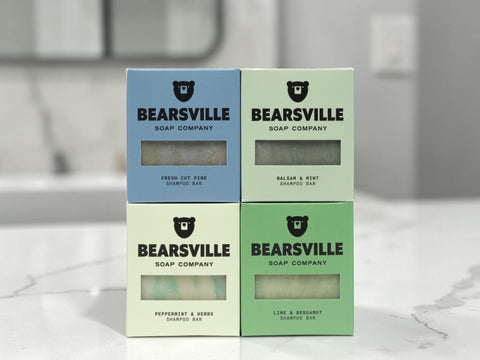
If you want to see the ingredients we rely on most, here's a closer look at what goes into our bars. And if you're ready to try one, start with the collection.