
Natural soap is better for your skin than commercial soap because of what it keeps and what it avoids. Commercial soap strips out glycerin — the natural moisturizing byproduct of soapmaking — and replaces it with synthetic surfactants that disrupt your skin's barrier and pH. A well-made natural bar retains the glycerin, skips the synthetics, and leaves your skin in better condition after every wash.
Here's what's actually going on beneath the surface.
What Commercial Soap Takes Out
Every bar of real soap — natural or commercial — produces glycerin as a natural byproduct of saponification. Glycerin is a humectant: it draws moisture from the air toward the skin, helps maintain the skin's barrier function, and prevents the tight, dry feeling after washing.
In a natural cold process bar, that glycerin stays exactly where it was made — in the soap. In commercial soap production, it gets extracted. Manufacturers remove it and sell it separately for use in lotions, creams, and moisturizers — the very products you reach for after your skin feels dry. A natural cold process bar retains roughly 5 to 8 percent of its weight in glycerin. A commercial bar has had most of that stripped out before it reaches the shelf.
This is not a minor difference. Glycerin is a significant reason why skin feels different after washing with a well-made natural bar.
What Commercial Soap Puts In
To replace what's been removed and to achieve consistent lathering at scale, commercial soap manufacturers add synthetic surfactants — compounds designed to clean aggressively and foam abundantly.
The problem is that these surfactants don't discriminate. They strip the natural oils your skin produces to protect itself, along with the dirt and grime you're actually trying to remove. What feels like a deep, squeaky-clean wash is often your skin's lipid barrier being disrupted.
That disruption has a downstream effect. Your skin reads the loss of protective oils as a signal to produce more — which can mean oilier skin over time, or the opposite: a compromised barrier that loses moisture too quickly, leaving skin dry and reactive.
The pH Problem Most Men Don't Know About
Healthy skin sits at a pH of roughly 4.5 to 5.5 — slightly acidic. That acidity supports the skin's microbiome, the ecosystem of beneficial bacteria that live on your skin and help protect it from pathogens. It's called the acid mantle, and it matters more than most men's grooming content ever acknowledges.
Most commercial soaps have a pH of 9 to 10 — significantly alkaline. Research has confirmed that washing with high-pH cleansers elevates skin pH, increases water loss through the skin, and alters the balance of the skin's microbiome. Harmful bacteria thrive at neutral to alkaline pH. Beneficial bacteria don't.
The skin does recover — typically within a few hours — but repeated daily disruption with a high-pH cleanser accumulates over time. It's not dramatic. It's slow, chronic, and easy to blame on other things.
Natural soap is also alkaline by nature — saponification requires it. But a well-formulated natural bar, made with quality oils and properly cured, sits at a lower pH than most commercial bars and doesn't strip the additional lipids and beneficial compounds that help the skin rebalance faster.
Where "Natural" Alone Isn't Enough
Natural soap is not automatically better just because it says natural on the label. A poorly formulated bar with low-quality oils, insufficient cure time, or irritating additives can cause its own problems. What matters is the formulation — the oils used, the process, and what's been left in or taken out.
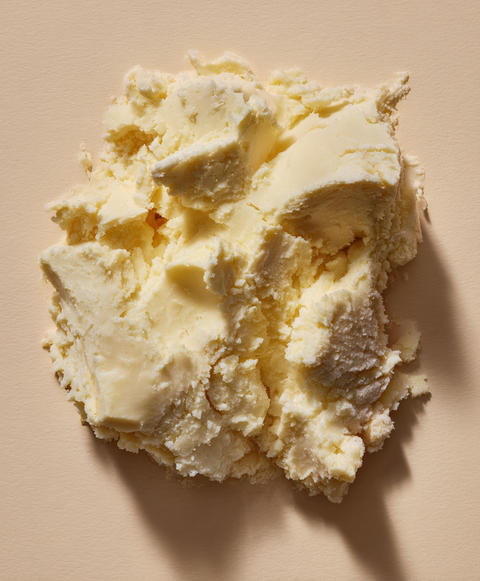
The meaningful distinction is between soap made to perform and soap made to scale. A cold process bar made with organic olive, coconut, and shea butter, cured properly, with glycerin intact — that bar is doing something fundamentally different from a commercial bar, regardless of what the packaging says.
We make our soaps in small batches using cold process — no glycerin removed, no synthetic surfactants added, no harsh chemicals. If you want to see what that looks like in practice, here's how to choose.