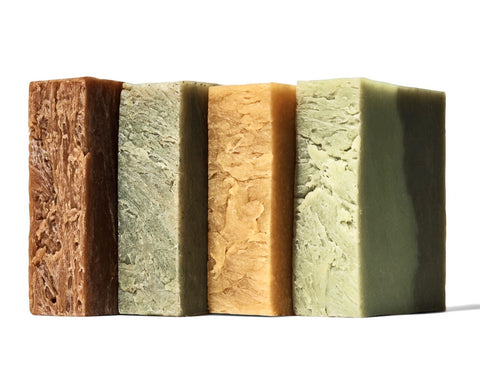
Natural soap doesn't expire the way food does, but it does have a shelf life — and how you store it has a direct effect on how long it lasts and how well it performs. Most natural bars are at their best within one to two years of being made. After that, the oils can go rancid, the scent fades, and the bar breaks down faster than it should.
Here's what's actually happening — and what to do about it.
Why Natural Soap Breaks Down
Natural soap is made from oils. Oils oxidize over time, especially when exposed to heat, humidity, and light. When that happens, the bar can develop a yellowish tinge or an off smell — a process called "dreaded orange spot" in soap-making circles, caused by rancidity in the oils.
This doesn't happen quickly under normal conditions, and it doesn't mean the soap is dangerous to use. But it does mean a bar that's been sitting in a cabinet for two years isn't going to perform like a fresh one.
There's another factor specific to natural cold process soap: glycerin. Saponification produces glycerin naturally, and unlike commercial manufacturers who extract and sell it separately, small-batch natural soap makers leave it in the bar. That glycerin is what makes natural soap so conditioning — but it also attracts moisture. A bar sitting in water or a humid environment will absorb that moisture, soften faster, and break down sooner than it should.
How to Store Soap You're Not Using Yet
If you've stocked up — which is a reasonable thing to do — store unused bars somewhere cool, dry, and out of direct light. A linen closet or drawer works well. Avoid bathrooms, which tend toward humidity even when you're not showering.
Unwrapped bars will continue to cure and harden over time, which is actually a good thing. A harder bar lasts longer in the shower. Some people deliberately let bars cure for a few extra weeks before using them for exactly this reason.
Use bars within a year or so for the best experience. They won't become harmful after that, but the scent will fade and the oils will begin to degrade.
How to Store Soap You're Using
This is where most bars die early — not in storage, but in the shower.
The enemy is standing water. A bar sitting in a puddle between uses is going to soften, shrink, and melt away faster than one that dries out completely. The fix is simple: use a soap dish or lift that allows for drainage and airflow. A dish that holds water is worse than no dish at all.
If your bathroom runs humid — which most do — a soap lift or slatted dish makes a real difference. The bar dries between uses, stays firm, and lasts significantly longer.
One other thing worth knowing: don't leave natural soap in direct sunlight or near a heat source. It won't ruin the bar immediately, but heat accelerates oil oxidation and will shorten the shelf life.
What "No Preservatives" Actually Means for Shelf Life
Conventional soap often contains synthetic preservatives that extend shelf life indefinitely. Natural soap doesn't — and that's by design. The tradeoff is that natural bars aren't made for long-term storage. They're made to be used.
This isn't a flaw. It's an accurate reflection of what's in the bar. A product without unnecessary chemicals is also a product with a more honest shelf life. Use it within a reasonable window, store it properly, and it will perform exactly as it should. What Is Natural Soap?