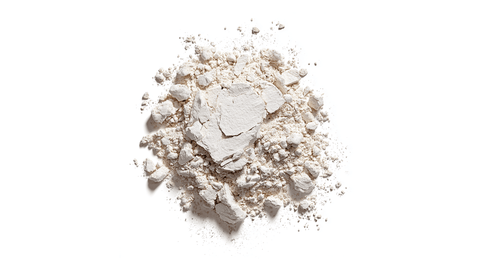

Clay in soap draws excess oil and impurities out of the skin's pores while providing a gentle, natural cleanse. Different clays do this to different degrees - kaolin clay is mild and suited to most skin types, while bentonite clay is more absorbent and better for oily or acne-prone skin. Both add slip to the lather and leave skin feeling clean and balanced rather than stripped.
Here's what each one does.
How Clay Works on Skin
Clay is naturally absorbent. When it contacts wet skin, it binds to excess oil, dirt, and impurities on the surface and in the pores, then rinses away carrying them with it. This is a gentler mechanism than synthetic detergents, which strip oil aggressively and indiscriminately. Clay draws out what's in excess while leaving the skin's necessary moisture largely intact.
That makes clay particularly useful for men with oily or combination skin, or anyone whose skin accumulates grime through work or time outdoors. It deep-cleans without the tight, stripped feeling that harsh cleansers leave behind.
Clay also adds a silky quality to the lather. Bars formulated with clay have a distinctive smooth slip that makes them feel different in the hand and on the skin - part of why clay has been used in soap and skincare for centuries.
Kaolin Clay
Kaolin is the mildest of the cosmetic clays. It provides gentle oil absorption and light exfoliation without drawing out so much moisture that it dries the skin. This makes it appropriate for most skin types, including sensitive and drier skin that wouldn't tolerate a more aggressive clay.
In a soap formula, kaolin adds slip and a creamy quality to the lather while providing mild cleansing power. It's the clay you reach for when you want the benefits without the risk of over-drying. It also helps anchor scent in a bar and contributes to a smooth, stable texture.
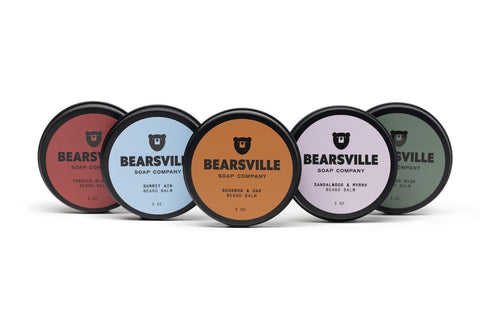
Bearsville uses kaolin clay in several permanent bars - including Tobacco Blossom, Campfire Charcoal, Summit Air, and Barbershop.
Bentonite Clay
Bentonite is more absorbent than kaolin. Formed from volcanic ash, it has a stronger capacity to draw oil and impurities from the skin, which makes it the better choice for oily or acne-prone skin that benefits from deeper cleansing.
That absorbency is why bentonite shows up in bars designed for a more thorough clean. It pulls more from the pores than kaolin does - useful for men with oilier skin or those who accumulate more grime, but potentially drying for very dry or sensitive skin if used at high concentrations.
Bearsville uses bentonite clay in several permanent bars - including Cypress & Mint Scrub, Campfire Charcoal, Sea Salt & Cypress, and Coastal Scrub.
Using Both Together
Some formulas combine kaolin and bentonite to balance their properties - the deeper absorption of bentonite tempered by the mildness of kaolin. The combination delivers thorough cleansing with less risk of over-drying than bentonite alone.
The clays work alongside the base oils in the formula. Where the saponified oils - olive, coconut, shea butter, sunflower - handle conditioning and lather, the clays handle oil absorption and deep cleansing. The result is a bar that cleans thoroughly while leaving skin conditioned rather than stripped. How Natural Soap Is Made: A Look at Real Ingredients
The Bearsville Bars
Born in the Catskill Mountains, where the landscape is rugged, the air is fresh, and craftsmanship counts for something. Bearsville Soap Company has been at this for over a decade - cold process, small-batch, glycerin intact. One bar at a time, one customer at a time. No shortcuts, no fillers, no corners cut.
Once you go real, you never go back.