
Yes - in most of the ways that matter. Natural bar soap has a meaningfully smaller environmental footprint than conventional liquid soap or synthetic detergent bars, across packaging, ingredients, and production. The gap isn't marginal.
Here's where the difference shows up.
Packaging
A bar of soap has no packaging beyond a paper wrapper or a simple cardboard box. Most conventional liquid soap and body wash comes in plastic - typically a pump bottle or squeeze container that ends up in a landfill or, best case, a recycling stream that may or may not actually recycle it.
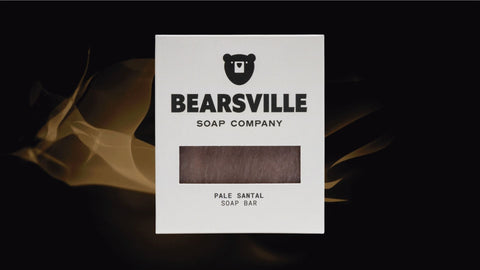
The math is straightforward. A single Bearsville bar delivers the equivalent of two to three conventional soap products in terms of washes. That's packaging that doesn't get made, filled, shipped, or disposed of.
Carbon Neutral Shipping
Every Bearsville order ships carbon neutral. The environmental footprint of getting the bar to your door is offset at the point of fulfillment - which means the sustainability case for natural bar soap extends beyond what's in the bar itself.
Ingredients
Natural cold process soap is made from plant oils - coconut, olive, sunflower, shea butter - and lye. The oils are derived from agricultural sources. The lye reacts completely during saponification and doesn't remain in the finished bar. What goes down the drain is soap and water.
Conventional synthetic detergent bars and liquid soaps contain compounds that are more persistent in the water supply. Synthetic surfactants, artificial fragrances, preservatives, and colorants vary in how readily they break down in wastewater treatment. Some pass through treatment systems and accumulate in waterways. The regulatory landscape around these compounds is still evolving, but the direction of research points consistently toward plant-derived cleansers being easier on aquatic ecosystems than their synthetic counterparts.
Palm Oil - The Complication Worth Addressing
The environmental case for natural soap isn't without nuance. Palm oil is a common ingredient in cold process soap, and conventional palm production is one of the most significant drivers of tropical deforestation globally.
The honest response to this isn't to avoid palm oil - replacing it with alternative oils requires significantly more land to produce the same yield, which carries its own environmental cost. The response is sourcing. Palm oil certified to the Palm Done Right standard comes from independent farms using agroforestry practices, with no new deforestation and fair treatment of farming communities. That's a meaningfully different product than conventional palm, even if it looks the same on an ingredient label. What Does Palm Oil Do in Soap - And Why Sourcing Matters
Bearsville sources palm oil to the Palm Done Right standard. It's in the formula because it does something specific and important - and the sourcing decision is how that choice is made responsibly.
Production
Cold process soapmaking is low-energy by industrial standards. No external heat is applied during saponification - the reaction generates its own. The bars cure at room temperature over several weeks. The process doesn't require the industrial infrastructure that conventional soap manufacturing does.
Small-batch production also means shorter supply chains, less inventory waste, and more direct control over ingredient sourcing. A bar made in small batches from ingredients with known origins is a different product than one produced at industrial scale with supply chains that span multiple continents.
The Honest Summary
Natural bar soap is better for the environment than most of its alternatives - less packaging waste, gentler ingredients, lower production energy, and a format that delivers more washes per unit of material. The palm oil question requires honest engagement rather than avoidance, and sourcing is the right answer to it.
It's not a perfect product. No product is. But on the metrics that matter most for environmental impact, a well-made natural bar soap is a straightforward upgrade from what most men are currently using.
The Bearsville Bars
Born in the Catskill Mountains, where the landscape is rugged, the air is fresh, and craftsmanship counts for something. Bearsville Soap Company has been at this for over a decade - cold process, small-batch, glycerin intact. One bar at a time, one customer at a time. No shortcuts, no fillers, no corners cut.
Once you go real, you never go back.