
Palm oil is one of the most effective structural ingredients in natural soap. It hardens the bar, stabilizes the lather, and extends how long the bar lasts in the shower. It's also one of the most controversial agricultural commodities on the planet. Understanding both sides of that equation is worth doing before dismissing it or accepting it uncritically.
What Palm Oil Does in a Soap Formula
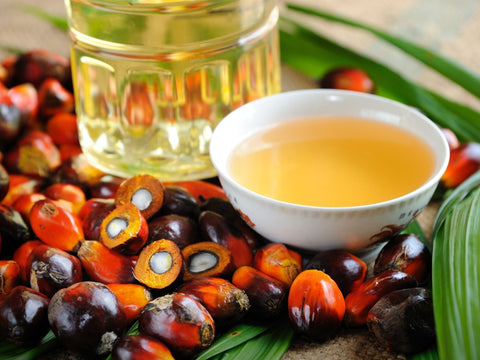
Palm oil is a medium-weight oil with a high saturated fat content - primarily palmitic and stearic acids. In a cold process soap formula, those saturated fats do specific work.
Bar hardness - palm oil produces a firm, hard bar that holds its shape and doesn't soften quickly in a wet shower environment. Without a hardening oil in the formula, cold process soap tends to be soft and wear down faster than it should.
Lather stability - palm oil contributes to a dense, stable lather that doesn't dissipate quickly. Where coconut oil produces abundant bubbles and olive oil produces a creamier lather, palm oil adds the body and staying power that keeps the lather consistent through a full wash.
Longevity - a bar with palm oil in the formula lasts longer in use. The hardness it contributes means less soap is lost to the water pooling in a soap dish between uses, and the bar maintains its structure from first use to last.
In a well-balanced cold process formula, palm oil works alongside the softer conditioning oils - olive, shea, coconut - providing the structure that lets those oils do their conditioning work without the bar falling apart in the process.
The Controversy Around Palm Oil
Palm oil is the world's most widely produced vegetable oil, which means it's also one of the most significant drivers of tropical deforestation. Clearing land for palm plantations has destroyed habitat across Southeast Asia, contributing to biodiversity loss and significant carbon emissions.
This is a real problem, and it's not resolved by simply avoiding palm oil. The demand for palm oil doesn't disappear when one brand stops using it - it shifts to other suppliers, often less scrupulous ones. And replacing palm oil with alternative oils requires significantly more land to produce the same yield, which carries its own environmental cost.
The more substantive response is sourcing - specifically, sourcing from producers certified to standards that prohibit deforestation, protect biodiversity, and treat workers fairly.
What "Sustainable Palm Oil" Actually Means
The Palm Done Right standard is one of the more rigorous frameworks in sustainable palm certification. It requires that palm oil be sourced from independent farms using agroforestry practices - growing palm alongside other crops rather than in monoculture plantations - with no new deforestation and fair treatment of farming communities.
It's a higher bar than the baseline RSPO certification, which has been criticized for allowing continued deforestation under certain conditions. Palm Done Right specifically prohibits that.
Our bars are made with palm oil that meets the Palm Done Right standard. That means our palm comes from independent farms practicing agroforestry, with no new deforestation, and with fair treatment of the farming communities involved. The choice to keep palm oil in the formula is a deliberate one - it does something in the bar that other oils don't replicate well - and sourcing to that standard is how that choice is made responsibly.
Why We Use It
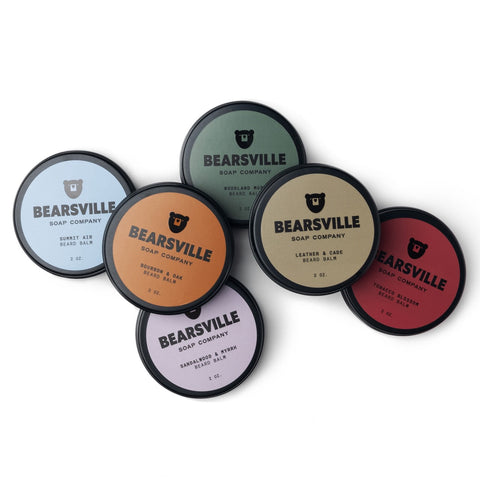
A Bearsville bar is built on saponified organic coconut, olive, shea butter, sunflower and sustainable palm oils. Each oil is in the formula because it does something specific. Palm oil is what gives the bar its structure, its lather stability, and its longevity in the shower.
Removing it would require reformulating around an alternative that either performs less well or carries its own sourcing complications. The better answer is to use it and source it right.
Browse the full soap collection.